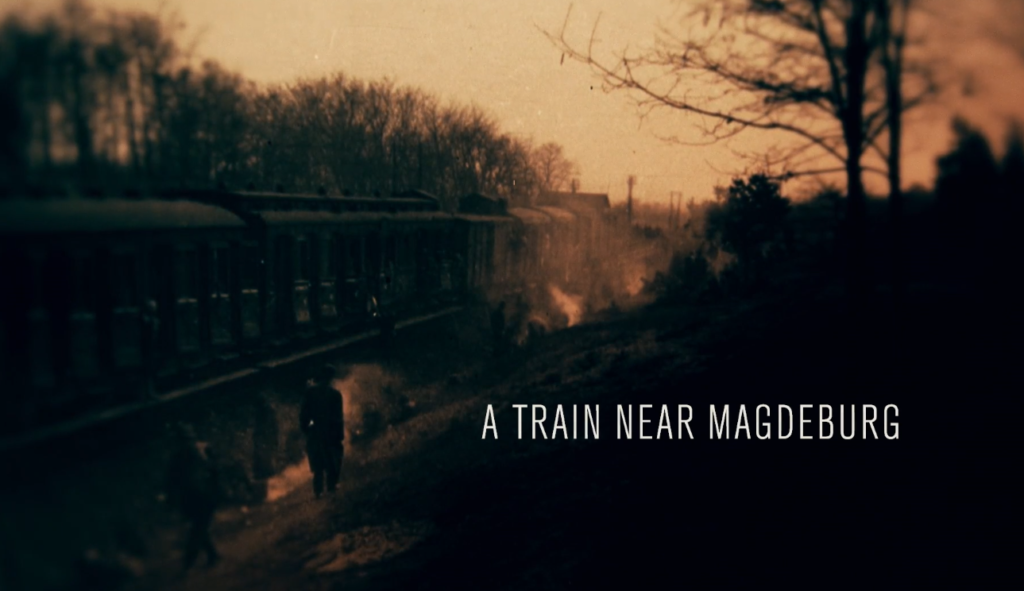
 Screenwriter Lee Shackleford here, friends, with my honest and unbiased report on what I’ve seen of this film as it nears completion.
As you might imagine, I’ve had access to pretty much everything director and editor Mike Edwards has been doing, as well as the frankly breathtaking work by graphics wizards Shawn Tegtmeier, Nate Tomcik, and Chris Hutton. Each artist has been working every day, scene by scene, to make the film more interesting to look at and easier to understand.
And I have to tell you: the result is phenomenal.
We committed, long ago, to the goal of telling this story entirely with interviews, photographs, and historical footage — because it is a true story and we wanted to present nothing that could be criticized as “not real.”
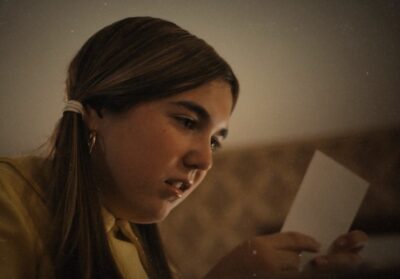 But no matter how many photos and videos we uncovered, it still wasn’t enough to cover every aspect of the story. So we chose to use actors in period costumes and settings to enact moments for which no other visual record exists. This can be tricky; we would never want anyone in the audience to think, even for an instant, that these re-enactments are literal visual records of an event. But when you see the finished film, you’ll see how our graphics people have managed to separate the historically genuine film and photos from our re-enactments that help to tell the story. I could not be more pleased with that.
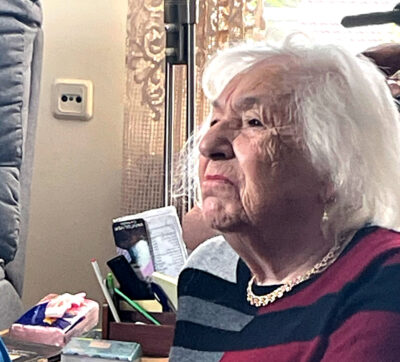 As we always expected, the “stars of the show,” the true power of the film, are the people we were able to capture on camera in the present day. The aging veterans who had been at the train in April 1945 and the survivors who at long last get to tell their story … they are the reason for making this film and, as you’ll see, all they need to do for an extraordinary emotional experience is to tell the truth.
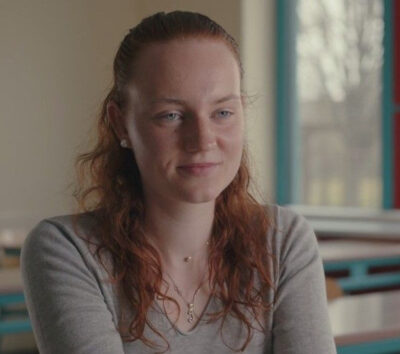 Some people might suspect, even dread, that the end result is a depressing film. Nothing could be further from the truth. In the end, it’s an inspiring and uplifting story — not only one in which tragedy is turned to triumph, but one in which you will get to know the people who are keeping this story alive and bringing its message to the world.
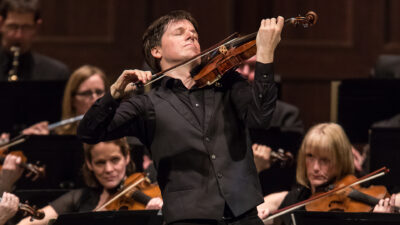 And, oh, the music! It’s a stirring composition, this score by Jim Papoulus — and wait ’til you hear it performed by the Columbus Symphony Orchestra and the Ambassadors of Harmony — with none other than Joshua Bell on the solo violin (one of the Violins of Hope)…!
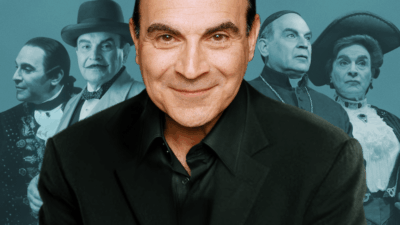 And of course, throughout it all, the rich emotional narration of Sir David Suchet. You can imagine what a thrill it’s been for me to hear my words spoken by one of my heroes of stage and screen!
There are final touches to be made to the music and a few lines of narration to replace, but apart from that, we’re ready to show this film to people with deep pockets — so we can raise the money we need to show it to everyone else!
We’ve been working on this for many years now. Soon you’ll be able to see why it’s taken so long and why we are all so proud of the result.